
Leading Products For Efficient Foam Concrete Restoration
Identify top-rated solutions that make foam concrete repairs faster, easier, and more effective.
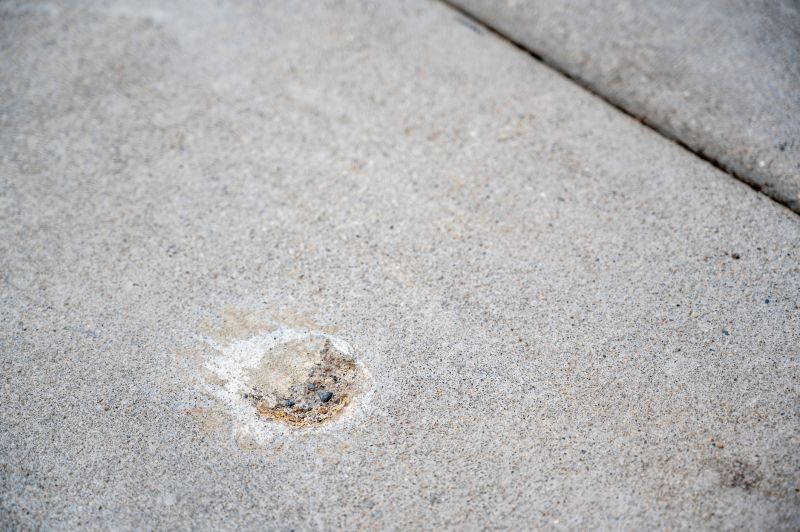 Foam concrete repairs are essential for maintaining the integrity and longevity of concrete structures that have experienced damage or deterioration. These repair products are designed to fill voids, seal cracks, and restore the surface to a functional state. Using the right foam concrete repair products can help prevent further damage caused by water ingress, freeze-thaw cycles, or structural stress. The variety of available products ensures that different repair needs, whether minor cracks or large voids, can be addressed effectively.
Top Overall Option
Universal Foam Concrete Repair Kit
A versatile and comprehensive solution designed to handle a wide range of foam concrete repair needs. It features a balanced formulation that offers good adhesion, rapid setting, and durability. Suitable for both small and large repairs, this kit includes multiple components to ensure a clean and effective application process.
Types of Products For Foam Concrete Repairs
Foam Sealant
A sprayable foam designed to seal cracks and small voids quickly and effectively.
Polyurethane Foam
A flexible foam used for filling larger voids and providing insulation properties.
Epoxy Injection Resin
A high-strength resin used for structural crack repair and bonding.
Cementitious Foam Patch
A cement-based foam patch for repairing surface defects and minor cracks.
Hydraulic Foam Filler
A hydraulic-setting foam suitable for larger repairs requiring robust fill material.
Polyurea Coating
A fast-curing coating that provides a waterproof barrier over foam repairs.
Rapid-Set Foam
A fast-curing foam ideal for urgent repairs needing quick stabilization.
Flexible Repair Foam
A flexible foam designed to accommodate slight movements without cracking.
Water-Resistant Foam
A foam formulation that resists water ingress, suitable for damp environments.
Insulating Foam
A foam product that offers thermal insulation along with repair capabilities.
Structural Foam Patch
A durable foam patch designed for load-bearing repair zones.
Acoustic Foam Filler
A foam that reduces noise transmission while repairing surface voids.
Chemical Grout Foam
A chemical grout foam for sealing leaks and stabilizing foundations.
Polyurethane Spray Foam
A sprayable foam for quick filling of cracks and voids with good adhesion.
Popular Choices
Widely used for sealing small cracks and surface defects in foam concrete.
Commonly selected for filling larger voids and providing insulation.
Popular for structural crack repair due to its high bonding strength.
Favored for quick repairs that require immediate stabilization.
Chosen for repairs in damp or water-exposed environments.
Often used as a protective layer over foam repairs for waterproofing.
Preferred for load-bearing repair zones needing durable material.
Commonly utilized for minor surface repairs with cement-based formulations.
Selected for applications requiring flexibility to accommodate movement.
Popular for combining thermal insulation with structural repair.
Used for leak sealing and foundation stabilization in various repair scenarios.
A versatile option for quick and efficient filling of cracks and voids.
Proper application of foam concrete repair products requires understanding the specific type of damage, the size of the area to be repaired, and the environmental conditions. Some products are formulated for quick setting and curing, making them suitable for urgent repairs, while others offer longer working times for more precise applications. Selecting a product that matches the repair scope and environmental conditions can significantly improve the durability and performance of the repair.
Many foam concrete repair products are designed to be easy to apply, often requiring minimal specialized tools or equipment. This accessibility allows both professionals and DIY enthusiasts to undertake repairs with confidence. It is also important to consider the compatibility of the repair product with existing concrete, as well as its ability to bond effectively and resist future wear and tear. Proper surface preparation and application follow the manufacturer's instructions are crucial for achieving optimal results.
Investing in high-quality foam concrete repair products can contribute to the long-term stability of concrete structures. Whether addressing small cracks or larger voids, selecting the right product involves evaluating the specific repair needs, environmental factors, and application methods. By understanding the options available, users can make informed decisions that support the structural integrity and safety of their concrete installations.
Key Buying Considerations
- Identify the size and extent of the damage to determine the appropriate product type.
- Consider environmental conditions such as moisture, temperature, and exposure to elements.
- Choose a product with suitable curing time to match your repair schedule.
- Evaluate the adhesion properties to ensure proper bonding with existing concrete.
- Assess whether a flexible or rigid foam is needed based on movement or structural requirements.
- Check for water resistance if repairs are in damp or water-prone areas.
- Determine if insulation properties are beneficial for your application.
- Review the product's compatibility with other repair materials or coatings used in the project.
- Consider ease of application, especially if DIY installation is intended.
- Opt for products with clear instructions and safety guidelines.
- Select a repair solution that offers durability and long-term performance.
- Be mindful of the environmental conditions during application to ensure optimal curing.
- Look into the product’s curing time to coordinate with project timelines.
- Check for any additional tools or accessories needed for application.
- Ensure the product is suitable for structural or non-structural repairs based on your needs.
This page contains affiliate links. We may earn a commission if you purchase through these links, at no additional cost to you.